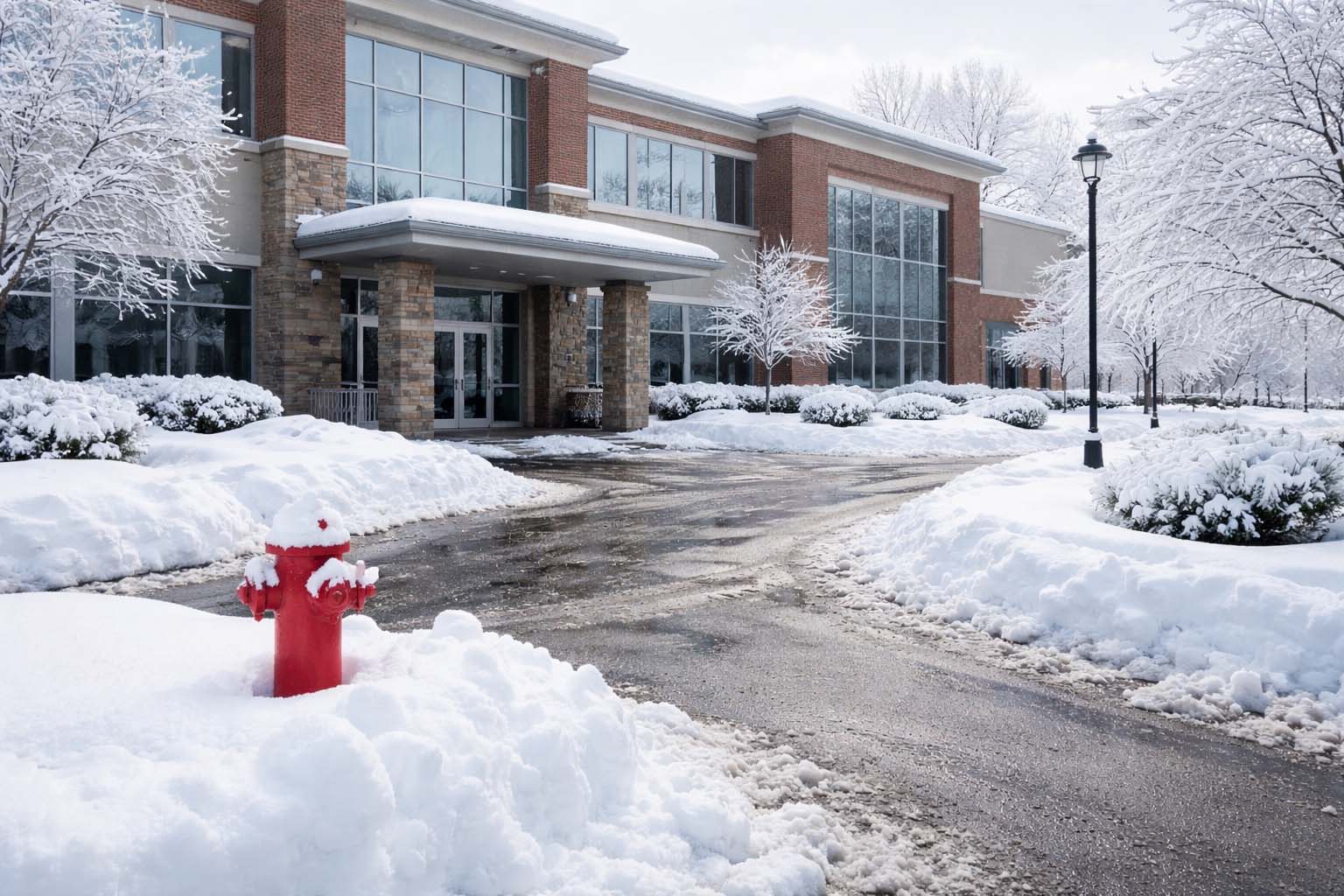
By Eric Gandler, Clifton Park NY
Severe winter storms don’t just create transportation problems—they create serious safety, electrical, and life-safety risks for commercial buildings. Snow, ice, moisture intrusion, and power disruptions can impact building systems in ways that aren’t always visible.
According to Eric Gandler, a licensed fire alarm and electrical professional serving Clifton Park and the Capital Region, the period immediately after a snowstorm is one of the most important times for commercial property inspections and safety checks.
Here’s what commercial businesses should do after a snowstorm to protect people, property, and operations.
Inspect Fire Alarm Systems
Snowstorms can impact commercial fire alarm systems through:
-
Power interruptions
-
Moisture intrusion
-
Frozen components
-
Communication line disruptions
Commercial fire alarm systems should be checked for:
-
Panel status and trouble signals
-
Battery condition
-
Device connectivity
-
Monitoring communication
A system that appears normal can still have hidden faults that only a professional inspection will detect.
Check Electrical Systems and Panels
After heavy snow and ice events, commercial buildings should inspect:
-
Electrical service entrances
-
Panels and subpanels
-
Exterior conduits and meters
-
Backup power systems and generators
Water infiltration and temperature swings can cause electrical faults that increase fire risk if left unaddressed.
Test Emergency Systems
Critical systems that should be verified include:
-
Emergency lighting
-
Exit signage
-
Backup power supplies
-
Emergency communication systems
These systems are essential for safe evacuation during any emergency—not just fires.
Inspect Roofs and Equipment Penetrations
Snow load, ice buildup, and freeze-thaw cycles can damage:
-
Roof membranes
-
Mechanical penetrations
-
Electrical conduits
Hidden damage can lead to leaks that impact fire alarm wiring, detection devices, and control equipment.
Confirm Monitoring and Communications
Commercial fire alarm systems must maintain reliable off-site communication. After storms:
-
Monitoring connections should be verified
-
Signal transmission should be tested
-
Communication backups should be confirmed
Loss of monitoring means delayed emergency response.
Address Snow & Ice Hazards
Post-storm hazards increase liability risks:
-
Blocked fire lanes
-
Covered hydrants
-
Obstructed exits
-
Icy evacuation routes
Clearing access points is a critical part of post-storm safety compliance.
Schedule Professional Inspections
Many issues caused by winter storms are not visible to building staff. According to Eric Gandler of Clifton Park, licensed inspections are essential for identifying:
-
Hidden system faults
-
Moisture-related damage
-
Code compliance issues
-
System failures waiting to happen
Final Thoughts
Snowstorms don’t just affect roads and parking lots—they affect fire alarm systems, electrical infrastructure, emergency systems, and building safety.
For commercial businesses in Clifton Park, proactive post-storm inspections reduce risk, prevent system failures, and help maintain code compliance and insurance protection.
Working with experienced professionals like Eric Gandler ensures your commercial fire alarm systems and electrical systems remain safe, functional, and ready to perform when needed—no matter the weather.